Survey
We walk the neighbourhood and list what each household is short of.
Home · Our work
These are not separate projects. They are three ways of holding up the same family, because hunger, illness and interrupted schooling almost always arrive together.
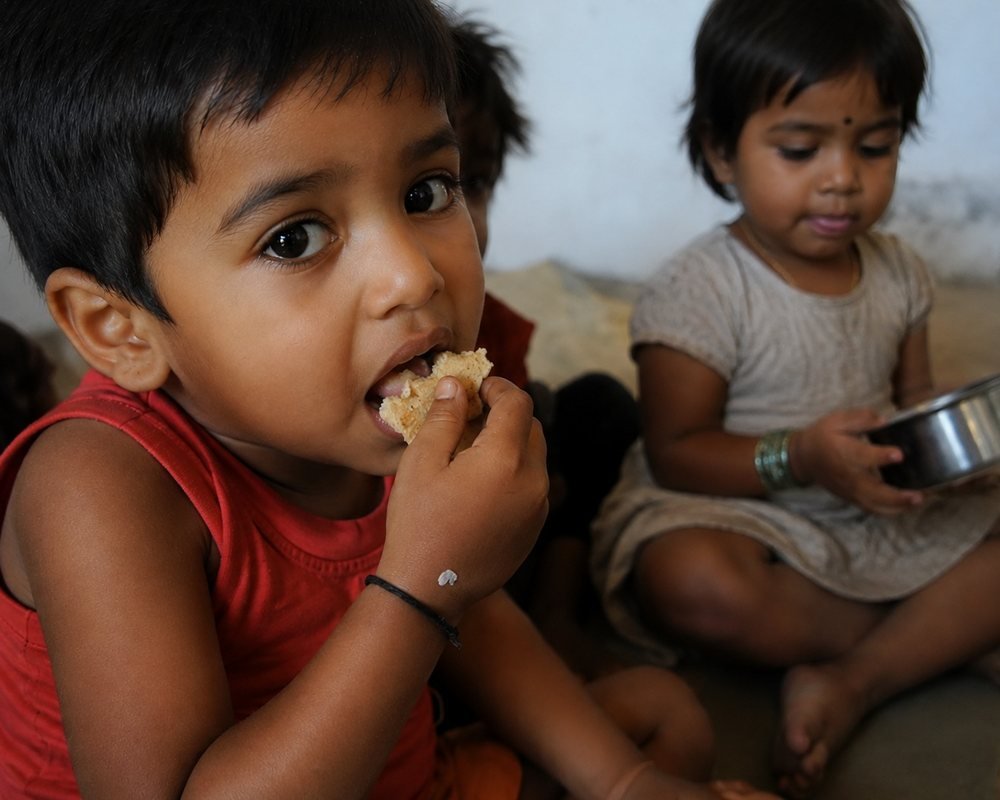
Hot meals where no kitchen fire gets lit.
The kitchen starts at 4:30 every morning. Two routes go out, one towards the construction sites and one towards the hospital gates. Meals are served on a plate rather than handed over in a packet, so that people sit down and eat.
Two runs a day, two routes, afternoon and evening.
A month of groceries for widows, elders and single-parent households.
For attendants who stay with a patient day and night.
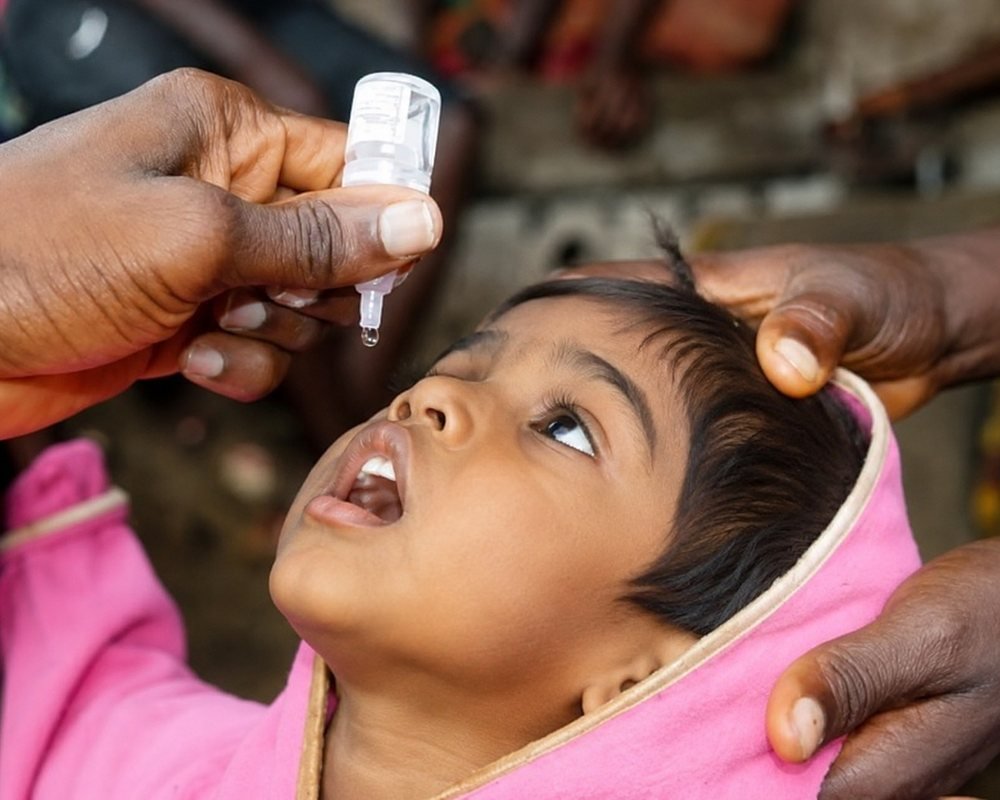
A doctor, the medicine and the test, in one place and at no cost.
Running a camp is the easy part. Following up is not. So every camp produces a register, and the team calls afterwards to ask whether the course of medicine is still being taken.
Two camps a month, in different neighbourhoods.
Anaemia, blood pressure and blood sugar, the things most often left unchecked.
Paperwork and access to a government hospital when treatment gets serious.
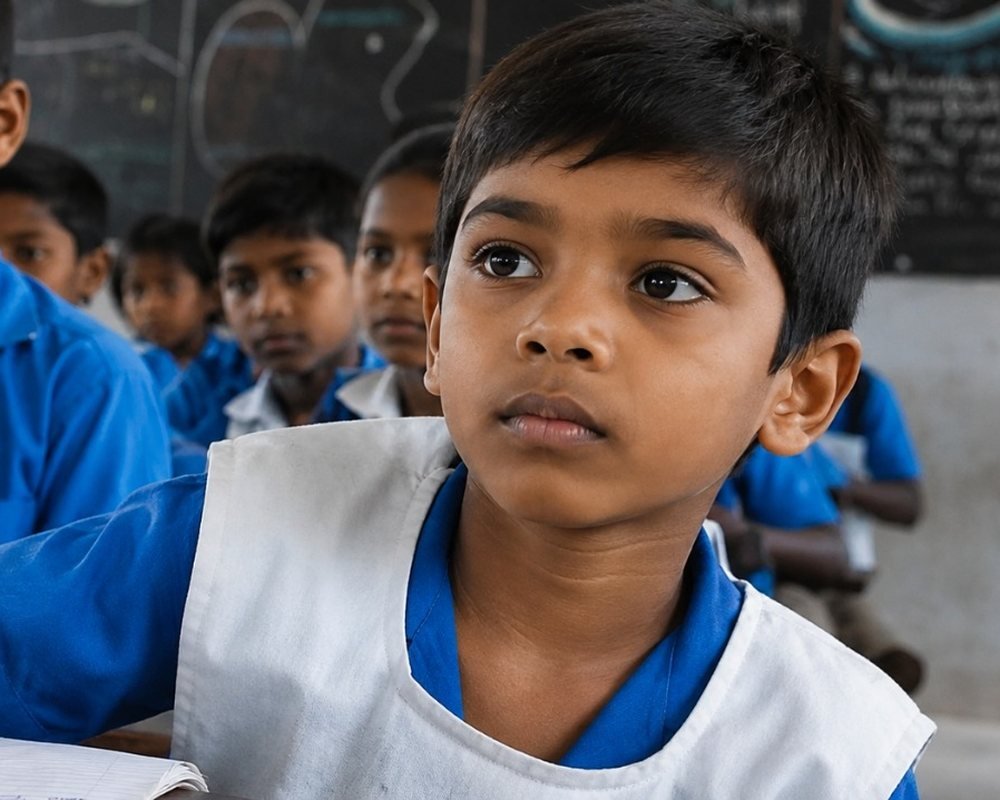
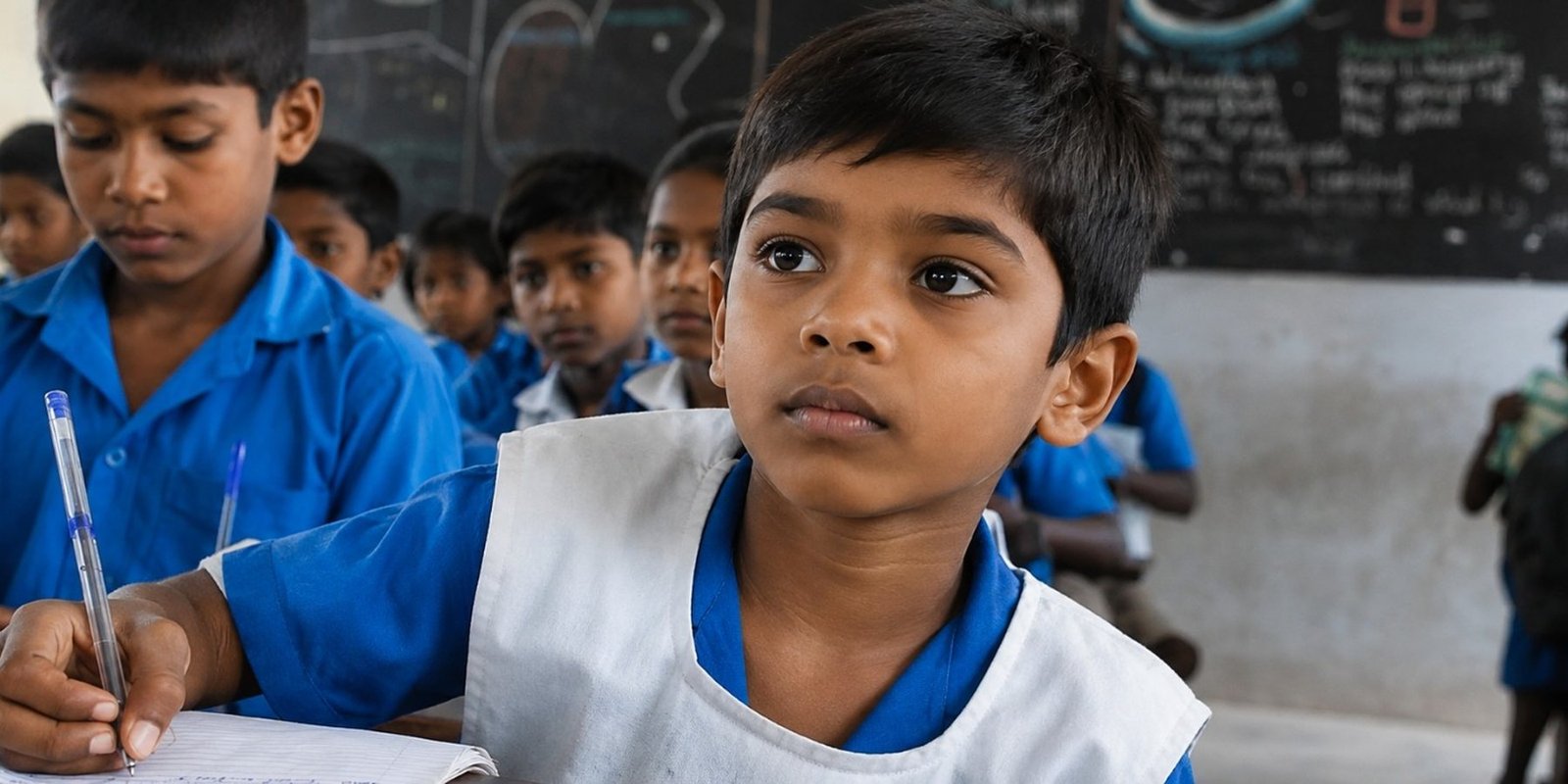
Catching a child before the school does.
No child leaves school in a single day. They fall behind slowly. Evening classes close that gap, and fee support covers the month when the household income stops.
Two hours a day for classes 1 to 8, inside the neighbourhood itself.
Based on need, paid directly to the school.
Basic computing and online form filling for teenagers.
This is a real sequence, which is why it is numbered.
We walk the neighbourhood and list what each household is short of.
Groceries and medicine from local vendors, always against a bill.
Volunteers head out on the route with the packed material.
The account and the report go back to the donor.
When you donate you can tell us whether the money should go to food, health or education.